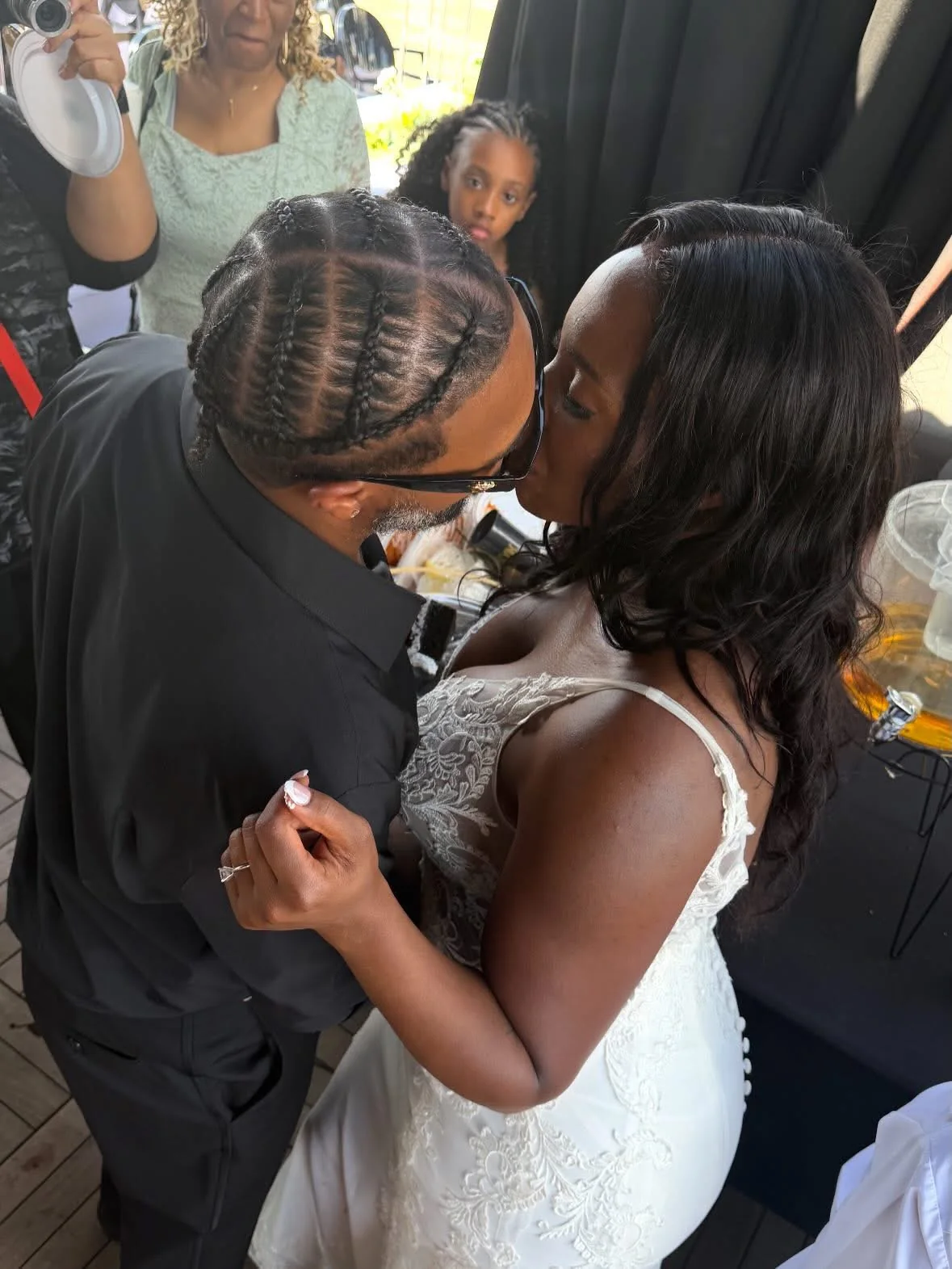
In Texas, a lot of weddings are a meeting of two families, two cultures and often two languages. That's exactly where the benefits of a bilingual wedding DJ come in. When your MC can welcome Abuela in Spanish and your college friends in English, and then fill the dance floor with cumbia followed by a hip-hop classic, nobody feels like a guest at someone else's party.
We're Urban Opulence Entertainment, and our owner and lead DJ, DJ Lady T, is a bilingual English and Spanish DJ and MC based in Lockhart. Here's why bilingual hosting matters, how it works on the day and how to plan a wedding that celebrates everyone you love.
Why bilingual weddings are so common in Texas
According to the U.S. Census Bureau, about 40.9% of Texans are Hispanic or Latino, and 35.1% of Texans age 5 and older speak a language other than English at home (2020 to 2024 estimates). In Central Texas, it's common for one side of the family to be most comfortable in Spanish and the other in English, or for grandparents to prefer Spanish while their grandchildren switch between both.
A wedding is one of the few days when every generation is in one room. Hosting in both languages is a simple way to make sure all of them feel welcome.
The benefits of a bilingual wedding DJ
Both families feel included
When announcements only happen in one language, part of the room is left guessing what's happening and when. A bilingual MC closes that gap, so grandparents, tíos and international guests know when to find their seats, raise a glass or head to the dance floor.
Announcements, introductions and toasts in two languages
DJ Lady T can deliver your grand entrance, wedding party introductions, first dance, toasts, cake cutting and send-off in English, Spanish or both. We plan the wording ahead of time, including the correct pronunciation of every name, so the moment sounds natural instead of translated.
If a parent or padrino wants to give a toast in Spanish, a bilingual MC can introduce them warmly and help set up the moment for guests who don't speak the language.
Traditions explained and honored
Many Hispanic and Latino weddings include traditions that deserve a little context and the right music:
- El lazo: after the vows, a lasso or rosary-style cord is placed around the couple, often in a figure-eight, as a symbol of their union.
- Las arras: in many Catholic ceremonies, the groom gives the bride 13 coins as a symbol of his commitment to providing for their life together and their shared faith.
- Padrinos: sponsors or godparents who support the couple and often play a role in traditions like the lazo and arras.
- The money dance (baile del billete): guests pin money on the couple or offer it for a turn to dance with the bride or groom.
Every family celebrates differently, so we always ask how you want each tradition handled. A bilingual DJ can cue the music, explain the moment briefly in both languages and keep it flowing without stalling the night.
A music range that moves the whole room
A bilingual wedding DJ isn't just about the microphone. It's about knowing the music both families love and how to blend it. A typical night with DJ Lady T might move through:
- Cumbia and Tejano for the classics everyone knows the steps to
- Banda for the moments when the room wants to stomp and shout
- Bachata and salsa for couples who want to show off
- Reggaeton for the younger crowd
- Hip-hop, R&B, country and Top 40 to bring in every other guest
The trick is the transitions. Moving from a cumbia to a country line dance to a hip-hop throwback works when the DJ knows how to build energy instead of breaking it. Our dance floor tips and must-play and do-not-play list guide can help you shape the mix.
Reading a multicultural room
Great DJing is about watching the dance floor, not following a playlist. In a multicultural room, that means noticing when the tías are ready for a cumbia set, when your friends are waiting for their song and when it's time to bring everyone together with a song both sides know. It also means knowing when to keep announcements short in both languages and when a moment deserves a little more explanation.
How DJ Lady T handles bilingual weddings
Here's how we approach every bilingual wedding:
- We plan the language together. In our face-to-face planning meetings over Zoom, we decide which moments are in English, which are in Spanish and which are in both.
- We confirm names and pronunciations for your wedding party, family and special guests.
- We map your traditions into the timeline so the lazo, arras, money dance or any family custom gets its moment.
- We build a music plan from both families' favorites, plus your must-play and do-not-play songs.
- We come prepared, with emergency backup gear so the night keeps going.
DJ Lady T brings the same bilingual hosting to quinceañeras, so she's comfortable with family traditions and multigenerational crowds. Learn more on our Meet DJ Lady T page.
Tips for planning a bilingual wedding
- Decide your primary language. Pick one main language for announcements and decide which key moments get both.
- Keep it short. Two languages can double the length of every announcement. Brief and warm works best.
- Share a family song list. Ask parents and grandparents for the songs that matter to them.
- Bilingual signs and programs help. A simple program explaining the lazo and arras helps guests follow along.
- Brief your officiant and planner. Make sure everyone knows which traditions are happening and when.
- Choose vendors who speak both languages when you can, especially your MC.
Let's celebrate both families
A bilingual wedding is a gift: two cultures, two languages and one big celebration. With the right MC and a music mix that honors everyone, your guests will feel at home from the first welcome to the last dance. Explore our Austin wedding DJ page to see how we serve couples across Central Texas.
Check your date with DJ Lady T, or call 512-620-2230.
Population data is based on information published by the U.S. Census Bureau QuickFacts for Texas. Tradition descriptions draw on Pronovias. Traditions vary by family and region, so please talk with your officiant and family about how you'd like to celebrate.
Frequently asked questions
What does a bilingual wedding DJ do?
A bilingual wedding DJ and MC delivers announcements, introductions, toasts and tradition explanations in two languages, and plays music that reflects both cultures so every guest feels included.
Should announcements be in both languages or switch back and forth?
It depends on your guests. Many couples choose short announcements in both languages, while others prefer the main language with key moments repeated in the second. We plan this with you ahead of time.
Can a bilingual DJ help with the lazo, arras and money dance?
Yes. The DJ can cue music for the lazo and arras during the ceremony, explain each tradition to guests who may not know it and host the money dance during the reception.
What music does a bilingual wedding DJ play?
A strong bilingual DJ moves between cumbia, Tejano, banda, reggaeton, bachata and salsa as well as hip-hop, R&B, country and Top 40, reading the room to keep both families dancing.
Is DJ Lady T a bilingual DJ?
Yes. DJ Lady T of Urban Opulence Entertainment is a bilingual English and Spanish DJ and MC based in Lockhart, Texas, serving weddings across Central Texas.
Planning a bilingual wedding?
DJ Lady T hosts in English and Spanish and knows how to bring both families together. Tell us about your traditions and your date.
CHECK YOUR DATE